









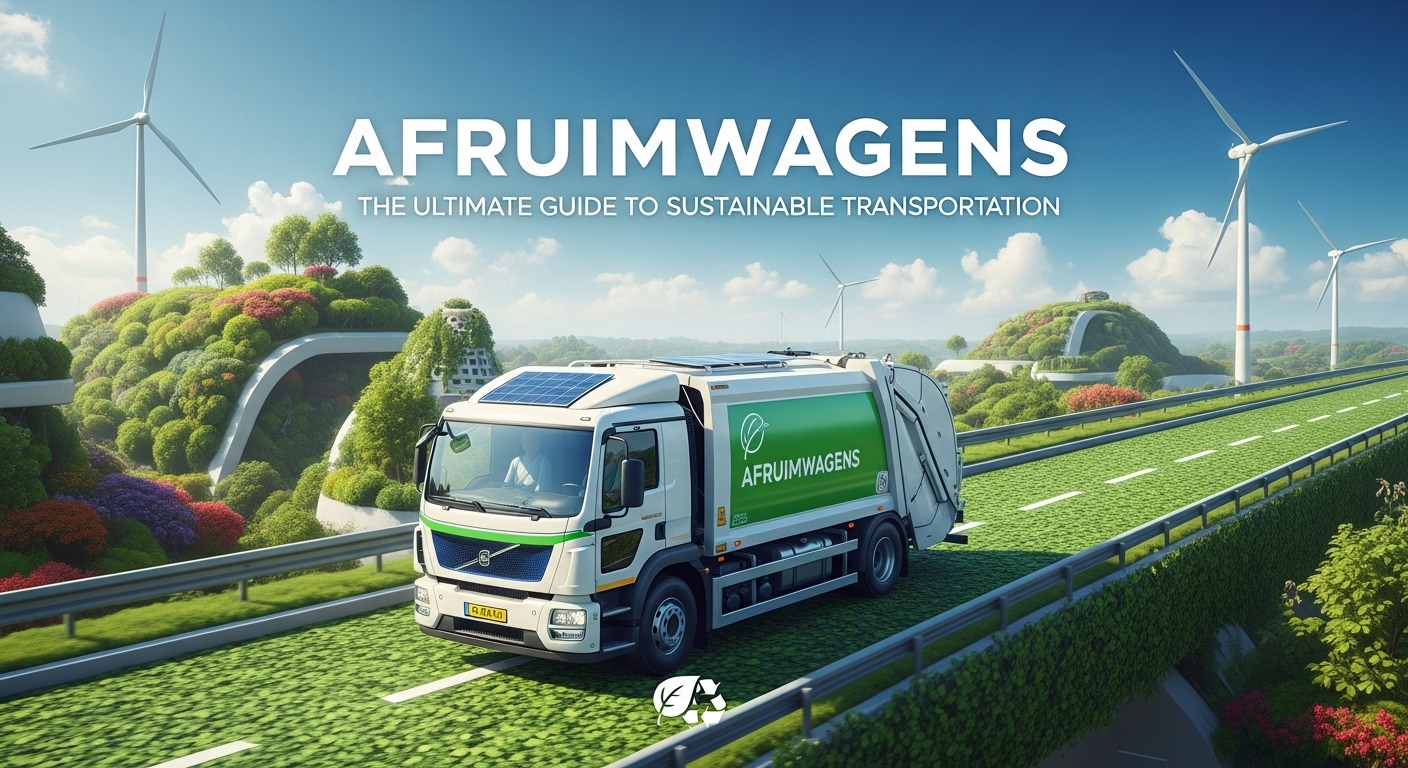
Transportation is a vital part of our daily lives, but as we become more aware of our impact on the planet, the need for sustainable options has never been greater. Enter afruimwagens—a cutting-edge solution that blends innovation with eco-friendliness. These vehicles are not just a mode of transport; they represent a shift towards greener living and smarter city planning.
Imagine gliding through urban landscapes without contributing to air pollution or traffic congestion. Afruimwagens offer this possibility and much more, transforming how we think about travel in an era defined by environmental urgency. If you’re curious about what makes afruimwagens so special and how they can redefine your commuting experience, you’re in the right place! Let’s dive into everything you need to know about these remarkable vehicles.
What are Afruimwagens and how do they work?
Afruimwagens are innovative vehicles designed with sustainability in mind. They incorporate electric and renewable energy sources, drastically reducing carbon emissions compared to traditional transportation.
These eco-friendly transport options often utilize advanced battery technologies. Solar panels may also be integrated to harness energy from the sun while on the move or parked.
The design focuses on efficiency, offering lightweight materials for better aerodynamics and reduced energy consumption. Smart technology plays a key role as well, enabling real-time monitoring of performance and maintenance needs.
Users can expect a seamless driving experience with features that enhance comfort while prioritizing environmental responsibility. Afruimwagens not only address modern mobility challenges but also align perfectly with global efforts towards greener cities.
Advantages of using Afruimwagens
Afruimwagens offer a range of benefits that make them an attractive option for modern transportation. First, they are designed with energy efficiency in mind. This means less fuel consumption and lower operating costs.
These vehicles also provide flexibility in urban environments. They can navigate narrow streets where traditional cars might struggle. This accessibility makes them ideal for densely populated areas.
Safety is another advantage. Afruimwagens often come equipped with advanced safety features, ensuring a secure ride for passengers and pedestrians alike.
Moreover, their design typically prioritizes comfort and user experience, making journeys more enjoyable.
Using Afruimwagens promotes community engagement by fostering local transport solutions tailored to specific needs. This approach creates jobs and stimulates economic growth within communities.
Choosing these vehicles aligns consumers with eco-friendly practices, contributing positively to global sustainability efforts while enjoying practical advantages every day.
Comparison with other modes of transportation
When comparing afruimwagens to traditional vehicles, the differences become evident. Afruimwagens are designed for efficiency, utilizing alternative energy sources and reducing reliance on fossil fuels. This shift not only lowers operational costs but also minimizes environmental impact.
Public transportation systems like buses and trains offer their own benefits. They can transport a larger number of passengers at once, which helps reduce traffic congestion. However, they often operate on fixed routes that may not serve every community effectively.
Bicycles and electric scooters provide flexibility in urban areas. Yet, they require well-maintained infrastructure and may pose safety concerns for riders in busy streets.
Each mode has unique advantages depending on context. The choice of transportation can be influenced by location, purpose, and personal preference.
Afruimwagens stand out with their focus on sustainability while still being adaptable to various needs within communities.
Environmental impact and sustainability benefits
Afruimwagens offer significant environmental advantages. By relying on renewable energy sources, they reduce reliance on fossil fuels. This transition leads to lower greenhouse gas emissions.
The design of Afruimwagens promotes energy efficiency. Their lightweight materials and aerodynamic shapes ensure that less energy is required for movement. As a result, users enjoy an eco-friendly alternative without sacrificing performance.
Moreover, Afruimwagens encourage sustainable urban development. Cities can integrate these vehicles into their public transport systems efficiently. This integration helps to alleviate traffic congestion and reduces the need for expansive road networks.
Using Afruimwagens contributes to cleaner air quality in urban areas. With fewer traditional combustion engines on the roads, harmful pollutants decrease significantly. Communities benefit from healthier living environments as a direct consequence of this shift towards greener transportation options.
By choosing Afruimwagens, individuals contribute positively to their surroundings while enjoying modern mobility solutions designed with sustainability in mind.
Case studies of successful implementation
Cities across the globe are embracing afruimwagens, leading to impressive results. In Amsterdam, a fleet of these eco-friendly vehicles has transformed urban commuting. Residents now enjoy quieter streets and reduced congestion.
In Cape Town, local authorities implemented afruimwagens for public transport. The initiative not only improved mobility but also fostered community engagement around sustainable practices.
Meanwhile, in Copenhagen, businesses adopted afruimwagens for deliveries. This shift decreased carbon emissions significantly while enhancing delivery efficiency.
These case studies highlight that successful implementation often involves collaboration between local governments and communities. Each project tailored solutions to fit specific needs, showcasing adaptability at its best.
Sustainable transportation is no longer just theoretical; these real-world applications prove that afruimwagens can effectively reshape our cities for the better.
Challenges and potential solutions
Afruimwagens face specific challenges that can hinder their widespread adoption. One major issue is the initial cost of production and infrastructure development. High upfront investments may deter potential stakeholders.
Another challenge arises from public perception. Many people are unfamiliar with Afruimwagens, leading to skepticism about their effectiveness compared to traditional transportation modes. Education campaigns could play a crucial role in addressing these concerns.
Additionally, regulatory hurdles often complicate implementation. Navigating local laws and regulations can be daunting for companies looking to introduce Afruimwagens into urban areas.
However, innovative partnerships between governments and private sectors could streamline this process. Collaborations may lead to better funding opportunities and supportive policies that facilitate the integration of Afruimwagens into existing transport systems.
Incentives such as tax breaks or subsidies might encourage manufacturers and users alike, making sustainable options more attractive while simultaneously boosting community awareness about environmental benefits.
Future possibilities for Afruimwagens
The future of afruimwagens is filled with exciting possibilities. As technology evolves, these sustainable vehicles could integrate advanced materials that enhance efficiency and reduce costs.
Imagine lightweight composites or even recycled materials being utilized in production. This would not only lower the environmental impact but also drive innovation within the industry.
Smart technology offers another area for growth. With real-time data tracking, afruimwagens can optimize routes and improve energy consumption further.
Electric models may become more mainstream as battery technologies advance, enabling longer journeys on a single charge.
Collaboration between governments and private sectors will be crucial too. Incentives for users can accelerate adoption rates and promote widespread use across urban areas.
As public awareness around sustainability grows, afruimwagens might transition from niche products to essential components of everyday transportation solutions.
Conclusion
The growing trend towards sustainable transportation has paved the way for innovative solutions like afruimwagens. These vehicles, designed with eco-friendliness in mind, offer a promising alternative to traditional modes of transport. As we’ve explored, their working principles are both straightforward and efficient. Utilizing renewable energy sources, they provide an effective means of reducing carbon emissions.
Their advantages extend beyond environmental benefits. Afruimwagens contribute to cost savings in urban transportation while enhancing accessibility for communities that lack reliable transit options. When compared to cars or buses, these vehicles shine through their lower operational costs and minimal ecological footprint.
Various case studies highlight successful implementations across different regions. Cities embracing this technology have seen not just improved air quality but also increased public engagement in sustainable practices. However, challenges remain such as infrastructure adaptation and funding but potential solutions exist within community partnerships and government incentives.
Looking ahead, the future of afruimwagens seems bright as technology continues to evolve alongside societal demands for greener options. With ongoing investments and innovations in this field, we are likely to see wider adoption of these eco-friendly transports on our roads.
As the world shifts its focus toward sustainability, it’s clear that afruimwagens could play a pivotal role in shaping how we think about transportation moving forward.