









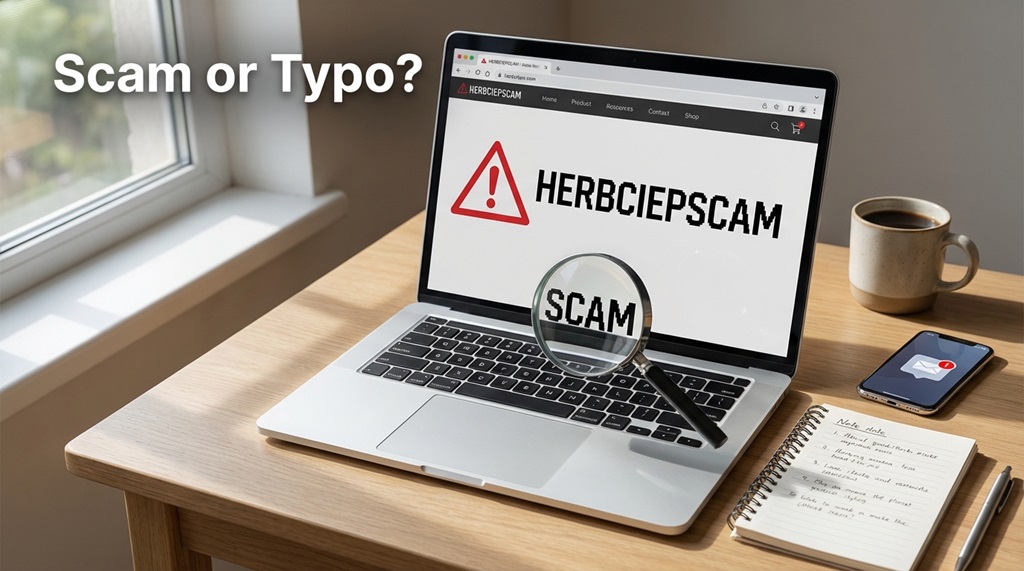
In a world where health trends come and go, herbal products have carved a niche for themselves as natural remedies. While many legitimate options exist, the rise of herbciepscam has put consumers at risk. With flashy advertisements and miracle claims, scammers are preying on those seeking wellness solutions. It’s crucial to stay vigilant in this landscape filled with deception.
Navigating the herbal market can feel overwhelming, especially when you’re trying to discern between genuine products and fraudulent ones. Understanding what herbciepscam is and how it affects you is essential for making informed decisions about your health. Join us as we explore the ins and outs of these scams, arming yourself with knowledge that empowers you to choose wisely in your journey toward better health.
What is Herbicepscam and Why is it a Problem?
Herbicepscam refers to the alarming trend of fraudulent herbal products marketed with misleading claims. These scams exploit consumers seeking natural remedies for health issues, often luring them in with promises that sound too good to be true.
The rise of online shopping has made it easier for scammers to reach unsuspecting buyers. They create enticing advertisements and polished websites that appear legitimate but are ultimately a front for deceitful practices.
These scams can lead not only to financial loss but also serious health risks. Consumers may purchase unregulated products lacking proper testing or safety standards, potentially causing adverse effects instead of the promised benefits.
Understanding herbicepscam is crucial in today’s marketplace. Awareness helps individuals navigate through an overwhelming selection of herbal supplements while keeping their health and finances secure.
The Dangers of Herbal Scams
Herbal scams can be deceptively alluring. They promise miraculous healing properties and quick fixes, but the reality is often far different. Many products contain untested or harmful ingredients that can jeopardize your health.
Consumers may unknowingly ingest substances that interact poorly with medications or existing conditions. This risk is especially concerning for vulnerable populations, such as pregnant women or individuals with chronic illnesses.
Additionally, herbal scammers prey on the desperation of those seeking alternative remedies. Emotional manipulation is a common tactic, making it difficult for victims to recognize their plight until it’s too late.
Financial loss is another significant danger. These fraudulent products often come with hefty price tags and hidden subscriptions, draining wallets without delivering any benefits in return. It’s crucial to stay vigilant against these deceitful practices lurking in the wellness industry.
Examples of Common Herbal Scams
Herbal scams come in various forms, often preying on consumers’ hopes for quick fixes. One common example is weight loss teas that promise miraculous results without diet or exercise. Many users find themselves disappointed after they realize these products yield no real benefits.
Another prevalent scam involves herbal supplements claiming to cure chronic illnesses like diabetes or cancer. These products frequently lack scientific backing, leaving individuals vulnerable and unprotected.
Then there are counterfeit brands mimicking reputable herbal companies. They use similar packaging and branding but sell inferior or harmful ingredients under false pretenses.
Subscription traps lure customers with free trials of herbal remedies, only to charge recurring fees without proper consent. This tactic can lead to unwanted financial burdens while delivering little value in return.
How to Identify a Legitimate Herbal Product
Identifying a legitimate herbal product requires vigilance. Start by examining the label carefully. Authentic products will list all ingredients clearly and provide their sources.
Check for certifications from reputable organizations, such as the USDA Organic seal. This indicates adherence to specific agricultural standards.
Research the brand’s reputation online. Look for customer reviews on independent sites, not just those linked to the company itself. Be wary of bold health claims that sound too good to be true; if it promises miracle cures or instant results, it’s likely a red flag.
Ensure transparency in sourcing and manufacturing practices. Legitimate companies often share information about where they source their herbs and how their products are made. Consult with healthcare professionals before trying new herbal supplements to ensure safety and efficacy tailored to your needs.
Tips for Avoiding Herbicepscam
To avoid falling victim to herbciepscam, always do your research. Verify the claims made by herbal product manufacturers. Look for scientific backing and reputable studies.
Check for certifications from recognized health organizations. Legitimate products often have seals of approval or endorsements that indicate quality standards.
Read customer reviews but be cautious of overly positive testimonials that sound generic. Genuine feedback usually contains both pros and cons.
Be wary of deals that seem too good to be true. If a product promises miraculous results with little effort, it’s likely a scam. Consult healthcare professionals before trying new herbal remedies. They can provide guidance based on your individual health needs and help you steer clear of potential dangers associated with dubious products.
Legal Action Against Herbal Scammers
Legal action against herbal scammers is essential for protecting consumers. Regulatory bodies, such as the FDA and FTC, play a crucial role in monitoring deceptive practices. They investigate complaints and can initiate legal proceedings against companies that misrepresent their products.
Victims of scams have the right to file lawsuits seeking restitution. This not only helps recover losses but also sends a strong message to potential fraudsters. Class-action suits are increasingly common when numerous individuals are affected by the same scam.
Additionally, whistleblowers within these companies often provide valuable information that aids investigations. These brave individuals can help shed light on unethical practices and contribute to holding offenders accountable.
Staying informed about ongoing cases can empower consumers to make better choices while navigating the complex world of herbal products. Awareness is key in this battle against deceitful marketing tactics.
Staying Informed and Safe with Herbal Products
Staying informed is crucial when it comes to herbal products. Knowledge empowers you to make safe choices. Follow reputable sources, such as scientific journals and government health websites. They often provide valuable insights about the efficacy and safety of various herbs.
Engage with online communities that discuss herbal remedies. These platforms can be a goldmine for personal experiences and recommendations. Always read labels carefully. Look for certifications or seals from regulatory bodies that indicate quality assurance.
Don’t hesitate to consult healthcare professionals before trying new herbal products. They can help assess potential interactions with other medications you may be taking.
Stay alert for red flags like exaggerated claims or lack of ingredient transparency. Trustworthy brands prioritize honesty in their marketing efforts, ensuring consumers are well-informed about what they’re purchasing.
Conclusion
Navigating the world of herbal products can be tricky. With the rise of herbciepscam, it’s essential to stay vigilant and informed. Protecting yourself from these scams means knowing what to look for in legitimate products and being cautious about where you purchase them.
By educating yourself on common herbal scams and understanding how to identify trustworthy brands, you can enjoy the benefits of herbs without falling victim to deceitful practices. Always prioritize your safety by researching thoroughly before trying new remedies or supplements.
Herbal health should enhance your life, not put you at risk. Being proactive will help ensure that your journey into natural wellness is both safe and effective. Stay informed, protect yourself, and make mindful choices when exploring herbal options.