









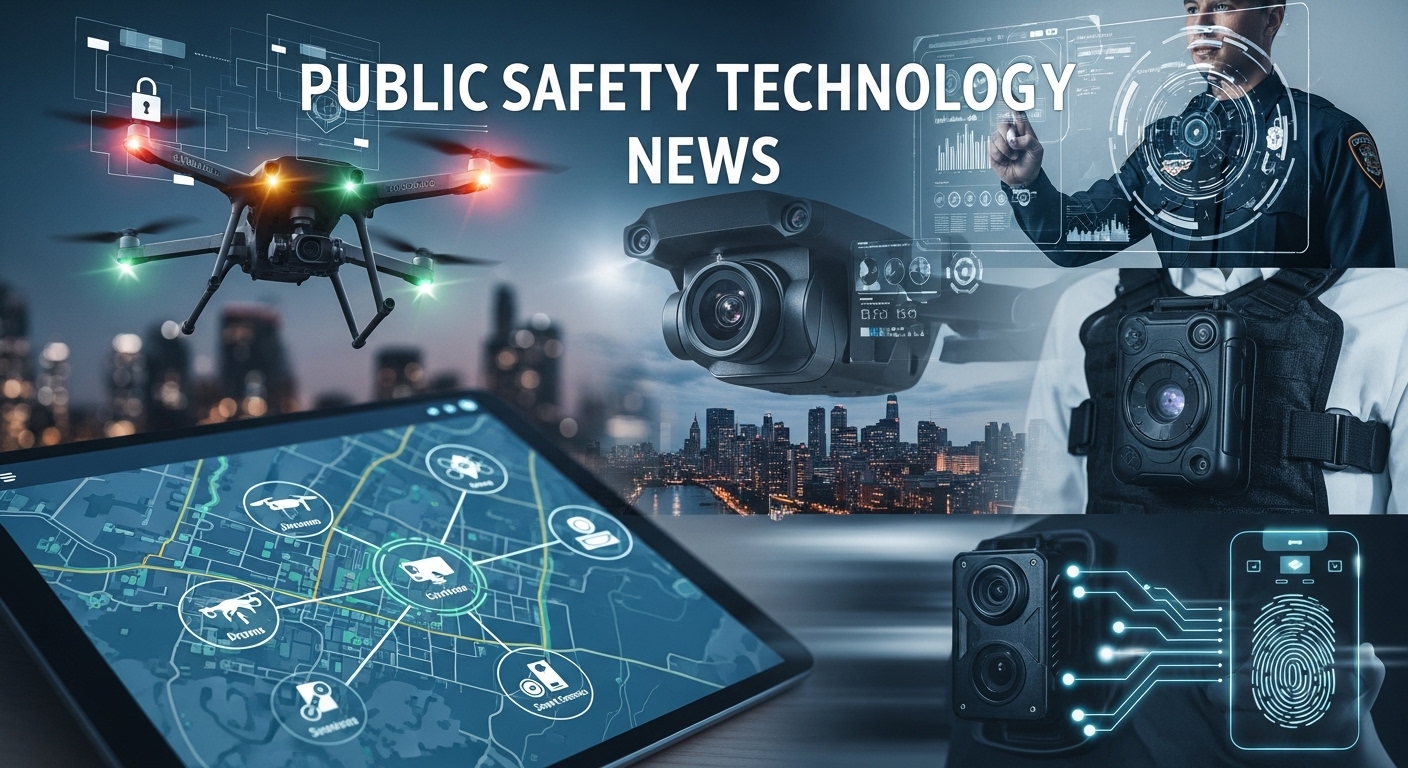
Public safety technology is evolving at a remarkable pace. As communities face new challenges, innovative solutions are being developed to enhance security and improve response times. From smart surveillance systems to the use of artificial intelligence, these advancements are reshaping how law enforcement and emergency services operate. Staying updated on public safety technology news is essential for understanding these changes and their implications for our daily lives. Dive into the latest trends that are making headlines in this dynamic field, as we explore how cutting-edge technologies are paving the way for safer environments across the globe.
What is Public safety technology news?
Public safety technology news encompasses the latest developments and innovations aimed at enhancing community safety. This field covers a wide range of tools and systems designed to protect citizens, improve emergency response, and prevent crime.
From smart surveillance cameras to advanced communication systems, public safety technology plays a vital role in modern law enforcement. Keeping up with these advancements is essential for stakeholders who want to ensure effective responses during crises.
News in this sector often highlights groundbreaking technologies that reshape how agencies operate. It provides insights into successful implementations that can serve as models for others.
Understanding public safety technology news helps communities stay informed about changes that might affect their security landscape. As new solutions emerge, they offer fresh perspectives on tackling long-standing challenges in public safety management.
Advancements in Artificial Intelligence (AI)
Artificial Intelligence (AI) is revolutionizing public safety technology in remarkable ways. From predictive policing to enhanced emergency response, AI tools are becoming essential for modern law enforcement agencies.
Machine learning algorithms analyze vast amounts of data quickly, identifying crime patterns that may go unnoticed by human analysts. This capability allows police departments to allocate resources more effectively and respond proactively to potential incidents.
AI-driven facial recognition systems are also gaining traction. They help identify suspects rapidly during investigations or enhance security at large events. However, ethical concerns remain a hot topic as communities grapple with privacy issues related to surveillance technologies.
Moreover, natural language processing is improving how first responders communicate during emergencies. AI assistants can process information faster than humans and provide real-time updates, ensuring better coordination among different agencies on the ground. The advancements in AI continue to shape the future landscape of public safety dramatically.
The Rise of Drones in Law Enforcement
Drones are transforming law enforcement like never before. These aerial devices provide a new perspective on public safety operations, enhancing situational awareness.
With high-definition cameras and thermal imaging, drones can monitor large areas quickly. This capability is especially vital during emergencies or natural disasters. Law enforcement agencies use them for search and rescue missions, offering real-time data to responders on the ground.
Moreover, drones help in crowd control during events or protests. They deliver aerial views that allow officers to assess situations without overwhelming their resources.
The integration of drone technology also raises important discussions about privacy concerns. Balancing surveillance capabilities with citizens’ rights is crucial as this technology evolves.
As more police departments adopt drones, training becomes essential. Officers must learn how to operate these devices effectively while adhering to regulations and ethical standards.
Body Cameras and Video Surveillance Systems
Body cameras have become a crucial tool for law enforcement agencies. They promote transparency and accountability in interactions with the public. Footage from these devices can serve as vital evidence during investigations or legal proceedings.
Video surveillance systems are also evolving rapidly. Modern technology allows for high-definition recording, night vision capabilities, and remote access features. This means that monitoring can happen in real time from virtually anywhere.
Integrating both body cameras and fixed surveillance offers a more comprehensive view of events. It helps create an accurate narrative of incidents, building trust between communities and police forces.
The data collected is often stored securely in cloud-based systems, ensuring accessibility while protecting privacy rights. These advancements not only enhance safety but also improve overall efficiency within public safety operations.
Predictive Analytics for Crime Prevention
Predictive analytics is transforming how law enforcement agencies approach crime prevention. By analyzing historical data, police can identify patterns and trends that may indicate potential criminal activity.
Using algorithms and statistical models, departments predict where crimes are likely to occur. This proactive strategy enables them to allocate resources more efficiently. Officers can be deployed in high-risk areas before incidents escalate.
Moreover, predictive analytics fosters community engagement. When citizens understand that the police are using technology for safety, their trust in law enforcement grows.
However, ethical considerations must also be addressed. Ensuring that data collection respects privacy rights is crucial for maintaining public confidence in these initiatives.
As this technology evolves, it holds the promise of making neighborhoods safer while allowing officers to focus on building relationships with the communities they serve.
Impact of Social Media on Public Safety
Social media has revolutionized the way communities engage with public safety. Platforms like Twitter and Facebook serve as real-time information hubs during emergencies.
Agencies use these channels to disseminate crucial updates quickly. Whether it’s weather alerts or crime reports, timely notifications can save lives.
Moreover, social media allows citizens to report incidents instantly. This two-way communication fosters a sense of community vigilance and cooperation between law enforcement and residents.
However, misinformation can spread just as rapidly. False claims about threats or criminal activity may lead to unnecessary panic.
Balancing transparency with accuracy is vital for public safety officials. They must navigate this digital landscape carefully to maintain trust while providing essential updates.
Engagement through social media also helps agencies build positive relationships within their communities. It encourages dialogue that strengthens collaboration in crime prevention efforts.
Embracing Technology for a Safer Future
Embracing technology is essential for creating a safer future. As innovations continue to emerge, communities can leverage these advancements to enhance public safety.
Smart cities are becoming more common. They use interconnected systems that improve everything from traffic management to emergency response. These technologies offer real-time data, allowing authorities to react swiftly in critical situations.
Collaboration between tech companies and law enforcement agencies is crucial. It fosters the development of tools tailored specifically for community needs. This partnership drives efficiency and effectiveness in maintaining public order.
Public awareness plays a vital role as well. Educating citizens about new technologies builds trust and encourages active participation in safety initiatives.
Investing in training programs ensures that personnel remain adept at using cutting-edge tools effectively. A well-prepared workforce helps maximize the benefits of technological advancements dedicated to safeguarding our communities.
Conclusion
Public safety technology news is evolving rapidly, making communities safer and more secure. The advancements we’ve seen in recent years are just the beginning. From AI innovations to drone surveillance, these technologies are transforming how law enforcement operates.
Body cameras have become standard practice, promoting accountability and transparency. Video surveillance systems now offer enhanced capabilities, providing critical evidence during investigations. Predictive analytics empowers police departments to allocate resources effectively and prevent crime before it happens.
Social media plays a dual role; while it poses challenges for public safety, it also serves as an important tool for communication between authorities and citizens. Engaging with the community through social platforms can lead to quicker responses in emergencies or alerts about potential threats.
As we embrace these technological advancements, our future looks promising regarding public safety. Staying informed on public safety technology news will ensure that everyone understands what’s available and how it impacts their lives positively.
The journey toward a safer society is ongoing, driven by innovation and collaboration among stakeholders at all levels. With each new development, we step closer to achieving our shared goal of security for all.