








Scoliosis can feel like a daunting word, but understanding it doesn’t have to be. Whether you’re a parent noticing changes in your child’s posture or an adult experiencing discomfort, recognizing the early signs of scolller is crucial. This condition affects millions worldwide and can impact daily life in more ways than one. The good news? With effective management strategies and support, individuals with scoliosis can lead healthy, active lives. Let’s dive into what scololler really means and how we can manage it effectively together!
What is Scolller?
Scolller is a term that often refers to scoliosis, a condition characterized by an abnormal curvature of the spine. This can lead to various physical challenges and discomfort for those affected.
People with scoliosis may exhibit uneven shoulders or hips. The spine might appear twisted, which can impact posture and overall appearance.
While it’s most commonly diagnosed in adolescents, scoliosis can develop at any age. Early detection is critical as it allows for timely intervention.
Understanding scolller means recognizing its potential effects on daily activities and lifestyle choices. Awareness about this condition helps foster empathy and support from family and friends who may be navigating these challenges.
Understanding Scoliosis and its Impact
Scoliosis is a condition characterized by an abnormal curvature of the spine. While some curves are mild, others can be more pronounced, leading to various complications.
The impact of scoliosis goes beyond just physical appearance. It can affect posture, balance, and even respiratory function in severe cases. Individuals may experience back pain or discomfort as they grow older.
Emotional and psychological effects are also common. Many people with scoliosis face anxiety about their condition, especially during adolescence when body image becomes particularly important.
Social interactions might suffer too; some individuals feel self-conscious about their appearance or limitations in activities they enjoy. Understanding these multifaceted impacts is crucial for effective management and support throughout the journey of living with scoliosis.
Diagnosis and Treatment Options for Scoliosis
Diagnosing scoliosis typically begins with a physical examination. A healthcare provider looks for signs of spine curvature and uneven shoulders or hips. Often, they may request X-rays to evaluate the degree of curvature.
Once diagnosed, treatment options vary based on severity and age. Mild cases might only require regular monitoring. For moderate curves, braces can help prevent progression during growth spurts.
Severe scoliosis may necessitate surgical intervention, such as spinal fusion. This procedure aims to stabilize the spine by fusing vertebrae together using metal rods or screws.
Alternative treatments like chiropractic care and acupuncture are also explored by some patients seeking relief from discomfort associated with scoliosis. Each approach should be tailored individually, emphasizing patient comfort and lifestyle needs while addressing curvature effectively.
Effective Management Strategies for Scoliosis
Managing scoliosis effectively involves a multifaceted approach tailored to the individual’s unique needs. A proactive mindset is essential.
Regular consultations with healthcare providers help track progress and make necessary adjustments in treatment plans. This ongoing communication can lead to better outcomes.
Bracing may be recommended for younger patients, which helps correct spinal curvature and prevent progression during growth spurts. Wearing a brace consistently is key for effectiveness.
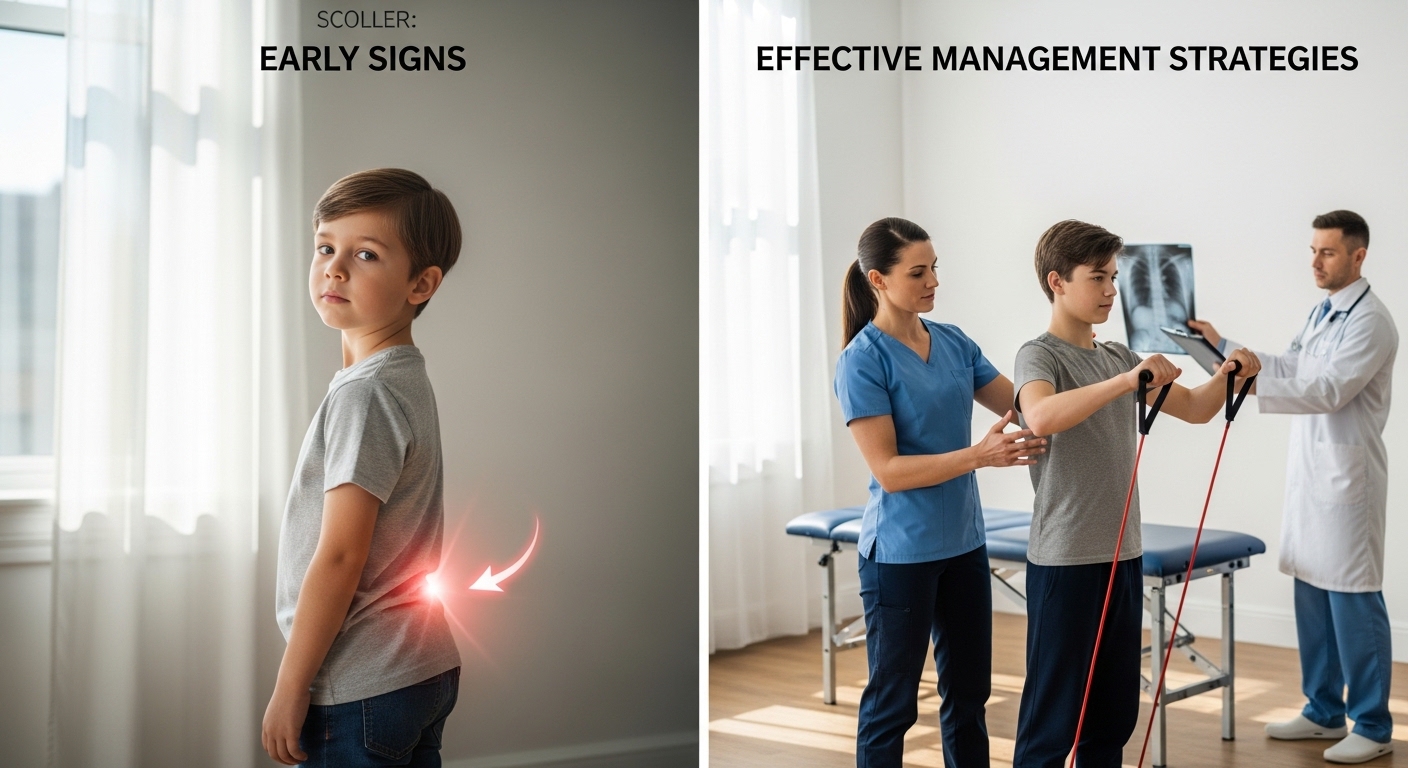
Physical therapy plays an important role too. Specific exercises strengthen core muscles, improve posture, and enhance flexibility. Tailored routines can significantly alleviate discomfort.
Additionally, incorporating mindfulness practices such as yoga or meditation may reduce stress related to living with scoliosis. These techniques promote relaxation and overall well-being.
Engaging family members or friends supports emotional health while navigating this journey together fosters resilience in facing challenges that arise from scoliosis management.
Exercise and Physical Therapy for Scoliosis
Exercise and physical therapy play a crucial role in managing scoliosis. Tailored programs can help strengthen the muscles surrounding the spine, providing better support.
Gentle stretches improve flexibility. They can alleviate discomfort while promoting better posture. Engaging in low-impact activities like swimming or yoga often yields positive results for those with scoliosis.
Physical therapists offer personalized plans. These professionals assess individual needs, ensuring that exercises are both safe and effective. Regular sessions encourage accountability and track progress over time.
In addition to core strengthening, breathing exercises are beneficial too. Proper breathing techniques enhance lung capacity and overall body function, making daily tasks easier.
Many find comfort in group classes tailored for scoliosis patients as well. This fosters camaraderie among participants who share similar experiences, creating an encouraging environment for recovery and improvement.
Nutritional Considerations for Scoliosis Patients
Nutrition plays a vital role in managing scoliosis. A balanced diet can help bolster bone health and support overall well-being.
Calcium and vitamin D are essential for strong bones, especially for growing adolescents. Incorporating dairy products, leafy greens, and fortified foods ensures adequate intake.
Magnesium is another mineral that aids muscle function around the spine. Nuts, seeds, and whole grains are great sources to consider. Anti-inflammatory foods can also be beneficial. Fatty fish rich in omega-3 fatty acids may help reduce pain or discomfort associated with scoliosis.
Staying hydrated is crucial as well. Water supports overall bodily functions and helps maintain energy levels throughout the day. Consulting with a nutritionist who understands scoliosis can provide tailored dietary advice to meet individual needs effectively.
Importance of Regular Doctor Visits and Monitoring Progress
Regular doctor visits are crucial for anyone dealing with scoliosis. Consistent monitoring helps track the curvature of the spine and assess any changes over time.
These appointments provide an opportunity for healthcare professionals to evaluate treatment effectiveness. Adjustments can be made based on individual progress or setbacks.
Routine check-ups also allow patients to voice concerns and ask questions about their condition. This open line of communication fosters a supportive environment, encouraging proactive management.
Additionally, doctors can offer insights into new treatments or exercises that may benefit your specific situation. Staying informed empowers individuals to take charge of their health journey.
Regular screenings ensure that any emerging issues are addressed promptly, minimizing potential complications in the future. A strong partnership between patient and doctor enhances overall well-being in managing scoliosis effectively.
Support Systems for Individuals with Scoliosis
Support systems play a vital role for individuals with scoliosis. A strong network can make a significant difference in managing the challenges associated with the condition.
Family and friends often provide emotional support. They offer encouragement during tough days, making it easier to cope with physical discomfort or self-esteem issues that may arise.
Joining support groups can also be beneficial. These communities connect individuals facing similar experiences, fostering understanding and camaraderie. Sharing stories and strategies helps create a sense of belonging.
Healthcare professionals are crucial allies as well. Regular check-ups establish trust and ensure personalized treatment plans that adapt over time.
Additionally, online resources can provide valuable information. Websites dedicated to scoliosis education offer insights on coping mechanisms, exercises, and advancements in treatment options.
With these layers of support, individuals living with scoliosis can navigate their journey more confidently. The right connections empower them to thrive despite the obstacles they face daily.
Conclusion
Scolller can significantly impact an individual’s daily life, but understanding it is the first step toward effective management. Early recognition of symptoms and a proactive approach to treatment can make a real difference.
Patients should explore various diagnosis and treatment options available and stay informed about the latest advancements in scoliosis care. Emphasizing exercise, physical therapy, and proper nutrition plays a crucial role in managing this condition effectively.
Regular doctor visits are essential for monitoring progress and adjusting treatment plans as necessary. Moreover, having a support system composed of family, friends, or support groups can offer emotional encouragement throughout the journey.
By adopting these strategies, individuals with scoliosis can lead fulfilling lives despite the challenges they may face. Remember that awareness is key; staying educated about Scolller will empower those affected to take charge of their health journey confidently.