








In the fast-paced world of retail, success hinges on more than just great products and marketing. Enter Retailpe—a game-changer in how businesses classify their offerings for maximum impact. Understanding the concept of business vertical classification is vital for retailers aiming to thrive in a competitive landscape. By breaking down various sectors, Retailpe allows companies to tailor their strategies effectively and target audiences with precision. This blog will explore how leveraging this classification can propel your retail venture forward and deliver tangible results that resonate with customers. Buckle up as we delve into the intricacies of Retailpe’s approach!
What is Retailpe business vertical classification?
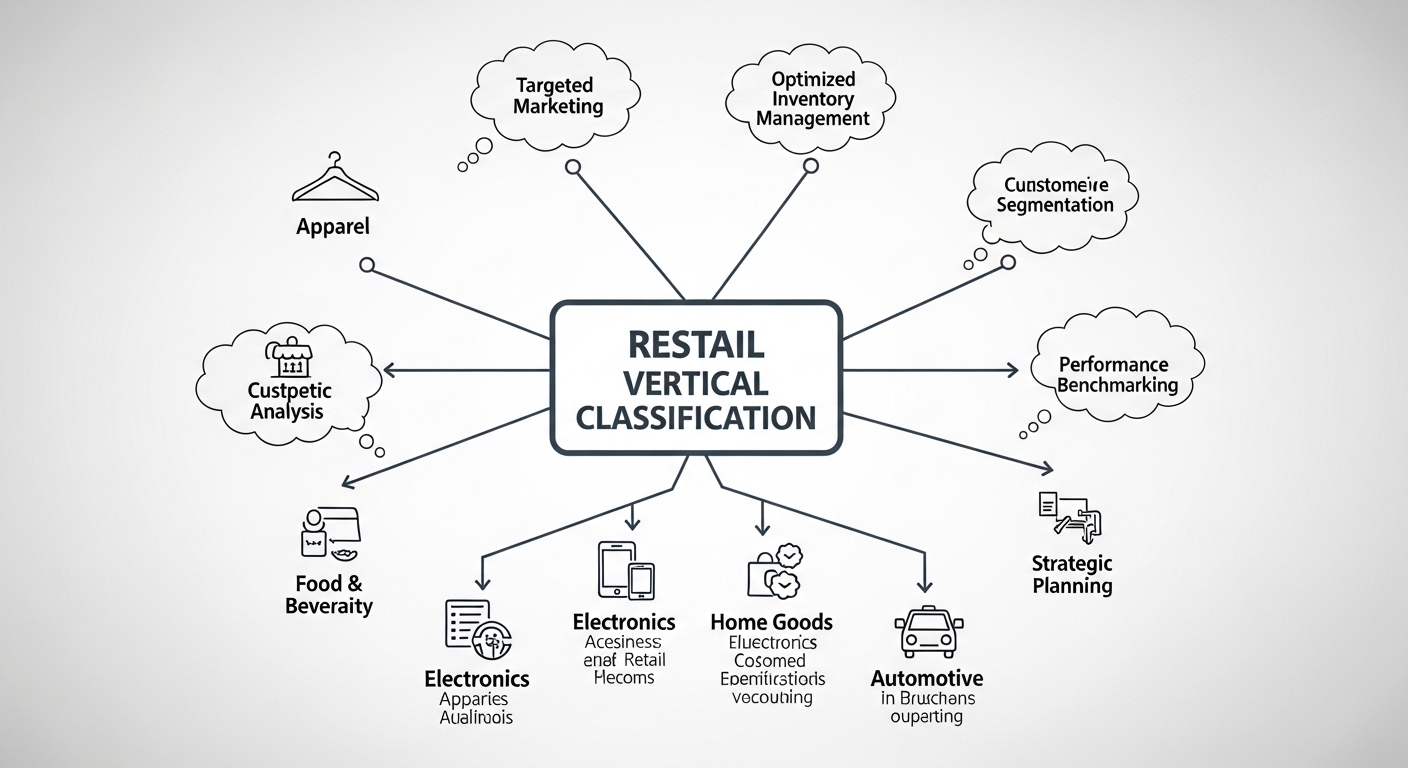
Retailpe business vertical classification refers to a systematic approach used to categorize businesses based on their specific industry and market niche. This framework helps organizations identify where they fit within the broader retail landscape.
By classifying businesses into distinct verticals, Retailpe enables companies to streamline their operations, tailor marketing strategies, and enhance customer engagement. Each vertical is characterized by unique consumer behaviors and preferences.
This classification system serves as a guiding compass for retailers. It allows them to focus efforts on areas that align with their strengths while addressing the needs of targeted audiences. As markets evolve, understanding these classifications becomes crucial for maintaining competitiveness in the retail sector.
The Role of Business Verticals in Retailpe’s Success
Business verticals play a crucial role in shaping Retailpe’s success. By categorizing operations into distinct sectors, Retailpe can tailor its strategies to meet specific market demands. Each vertical has unique characteristics that influence product offerings, marketing approaches, and customer engagement tactics.
This classification allows for focused resource allocation. Businesses can invest more effectively in areas with the highest potential return. It fosters specialized expertise within teams dedicated to each vertical, driving industry knowledge and innovation.
Additionally, understanding business verticals enhances customer experience. When companies cater their services and products based on specific needs of different segments, it builds stronger connections with consumers. This targeted approach not only boosts sales but also cultivates brand loyalty over time.
Adapting quickly to changes within designated verticals keeps Retailpe agile in a competitive landscape. The ability to pivot and respond seamlessly is essential for sustained growth and relevance in today’s retail environment.
Benefits of Utilizing a Business Vertical Classification System
Utilizing a business vertical classification system offers numerous advantages for retailers. It allows businesses to streamline operations, ensuring resources are allocated more effectively.
By categorizing products and services, companies can better understand their market segments. This insight helps tailor marketing strategies that resonate with specific customer demographics.
Additionally, a clear classification enhances inventory management. Retailers can track which verticals perform best, enabling them to make informed purchasing decisions and minimize overstock issues.
Customer service also benefits from this approach. With defined categories, staff can provide specialized support tailored to the unique needs of each segment.
Implementing this system fosters innovation by encouraging businesses to explore new opportunities within each vertical. Embracing these benefits positions retailers for sustainable growth in an ever-evolving marketplace.
Examples of Successful Businesses Using Retailpe’s Business Vertical Classification
Several businesses have effectively harnessed Retailpe’s business vertical classification to enhance their operations. For instance, a local fashion retailer categorized under the apparel vertical streamlined inventory management. By identifying trends specific to its segment, they optimized stock levels and reduced waste.
In another case, a grocery store focused on perishables improved customer satisfaction by utilizing real-time data from the food and beverage classification. This approach enabled them to tailor promotions based on seasonal demands.
Additionally, an electronics company employed Retailpe’s vertical system to target marketing efforts more precisely. They analyzed consumer behavior within their tech category and adjusted messaging accordingly.
These examples illustrate how different sectors benefit from tailored strategies rooted in Retailpe’s framework. Each success story highlights the importance of understanding one’s place within a broader market landscape for achieving growth and efficiency.
How to Implement a Business Vertical Classification in Your Retailpe Strategy
Implementing a business vertical classification within your Retailpe strategy can streamline operations and enhance customer targeting. Start by analyzing your current product offerings. Identify natural groupings based on similarities in products or services.
Next, engage with key stakeholders to gain insights into market demands and customer preferences. This collaborative approach ensures that the classifications reflect real-world needs.
Once you have established categories, it’s vital to test them in practice. Monitor sales data and customer feedback closely as you roll out these changes. Adjustments may be necessary as trends evolve.
Training staff is another crucial step. Ensure everyone understands the new classifications and their importance for delivering tailored experiences to customers.
Leverage technology tools available through Retailpe to automate updates and track performance across different verticals efficiently. This will help maintain relevance in a fast-paced retail environment.
Challenges and Limitations of Utilizing a Business Vertical Classification
Implementing a retailpe business vertical classification system is not without its hurdles. One major challenge lies in accurately defining the categories. Businesses often struggle to fit their diverse offerings into rigid classifications.
Moreover, evolving market trends can render existing classifications obsolete. Adapting to these changes requires constant reevaluation and flexibility, which can be resource-intensive.
Another limitation is the potential for oversimplification. A narrow focus on specific verticals might overlook cross-sector opportunities that could drive growth.
Additionally, staff training becomes necessary. Employees must understand how to navigate and utilize the classification effectively, adding another layer of complexity.
Businesses may also face resistance from stakeholders who are accustomed to traditional methods or fear change. Tackling this mindset takes time and strategic communication efforts.
Data management plays a critical role in maintaining an effective classification system. Inaccurate data can lead to misguided decisions that hamper overall performance.
Future Trends and Developments in Retailpe’s Business Vertical Classification
As the retail landscape evolves, Retailpe’s business vertical classification is expected to undergo significant advancements. The integration of artificial intelligence and big data analytics will enhance categorization precision. This allows businesses to tailor their strategies more effectively.
Moreover, we can anticipate an increased focus on sustainability within classifications. Retailers are becoming more conscious of environmental impacts and consumer preferences for eco-friendly options.
The rise of e-commerce is also shaping verticals. Online platforms may redefine traditional categories with new digital-first segments emerging alongside physical stores.
Collaboration across industries could bring innovative hybrid models to light. By merging elements from different sectors, retailers may discover unique opportunities that attract diverse customer bases in unexpected ways.
Conclusion
Understanding the significance of Retailpe’s business vertical classification can transform the way businesses operate. By aligning with specific industry segments, retailers can streamline operations, target customers more effectively, and enhance overall efficiency. Companies that have embraced this structure often find themselves at a competitive advantage.
As trends continue to evolve in retail, staying attuned to developments in business verticals will be crucial for sustained growth and adaptability. Whether you are just starting or looking to refine your existing strategy, leveraging Retailpe’s framework may pave the way for new opportunities and success.
Embracing this methodology is not merely about categorization; it’s about fostering innovation within each segment. It encourages businesses to think critically about their market positioning and customer engagement strategies. As you consider implementing these insights into your own retail practices, remember that clarity in classification leads to clearer paths toward achievement.