








Scoliosis can be a daunting term for many parents, especially when it comes to their children’s health. This condition, characterized by an abnormal curvature of the spine, often raises concerns about growth and development. But what if you could catch it early? Understanding scoliosis and its signs can make a significant difference in how it’s managed. In this article, we’ll dive into what scolller means regarding early detection and explore effective strategies to help those affected lead fulfilling lives. From recognizing the initial symptoms to engaging in supportive exercises, there’s plenty of valuable information ahead that every parent should know!
What is Scolller?
Scolller is a term that may not be widely recognized, but it holds significant meaning for those dealing with scoliosis. While often confused with the curvature of the spine itself, Scolller refers to a supportive community and resources aimed at aiding individuals diagnosed with this condition.
The name embodies both awareness and action. It represents an effort to educate families about scoliosis, offering insights into early detection and management strategies.
Through various outreach programs, Scolller seeks to connect patients and parents with medical professionals who specialize in spinal health. This network fosters understanding and provides tools necessary for effective intervention.
For many, Scolller serves as a beacon of hope a reminder that they are not alone in their journey toward better spinal alignment and overall well-being.
Understanding the Different Types of Scoliosis
Scoliosis is not a one-size-fits-all condition. Understanding the different types can help in managing it effectively.
There are three main categories: idiopathic, congenital, and neuromuscular scoliosis. Idiopathic scoliosis is the most common type, often appearing during adolescence without a known cause. It affects both boys and girls but typically shows up more frequently in girls.
Congenital scoliosis develops due to spinal deformities that occur during fetal development. This type may require earlier intervention since it’s present from birth.
Neuromuscular scoliosis arises from conditions like cerebral palsy or muscular dystrophy. The curvature of the spine often progresses as these underlying issues affect muscle control and strength.
Each type has unique characteristics and treatment requirements. Recognizing these distinctions helps guide effective management strategies tailored to individual needs.
Early Signs and Symptoms to Look Out For
Identifying scoliosis early can make a significant difference in management and treatment. Parents should observe their children for specific signs that may indicate the presence of this condition.
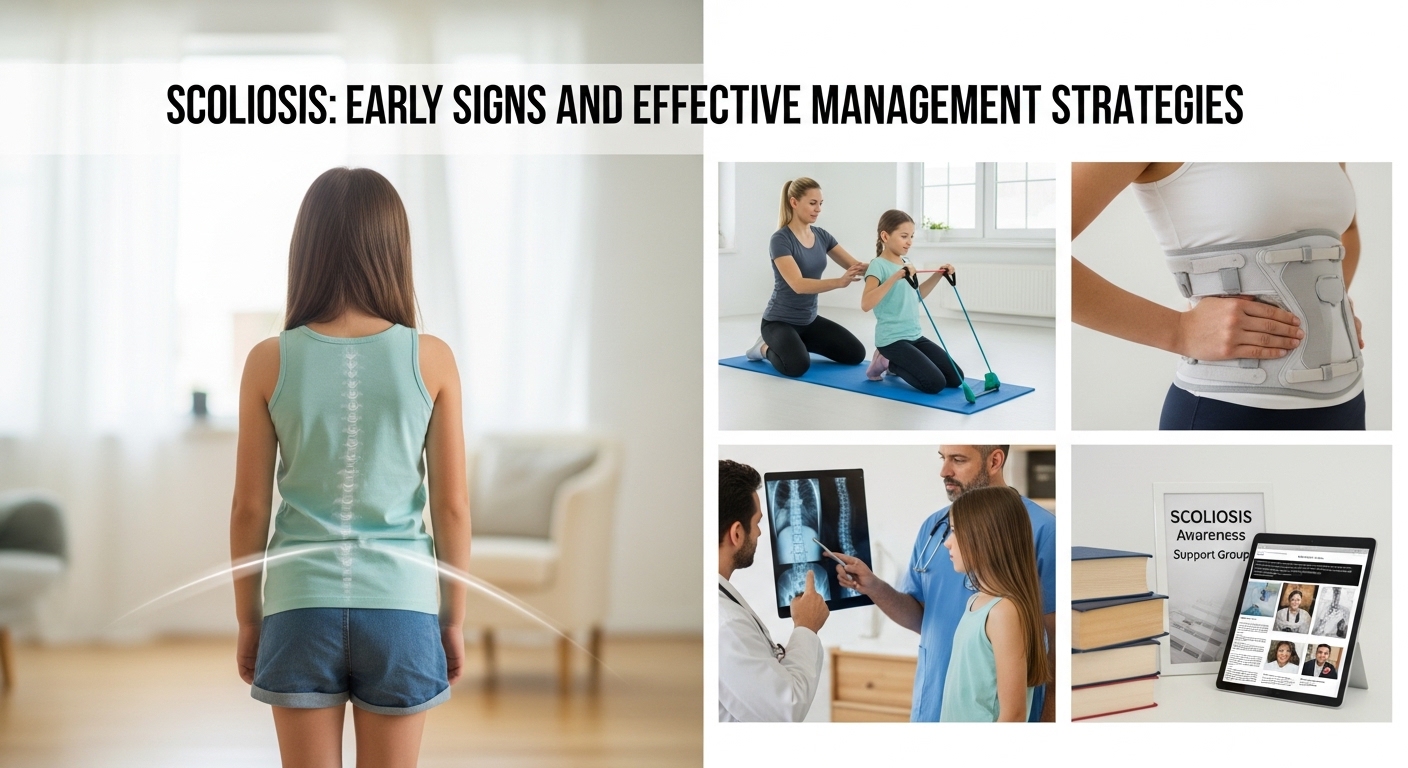
One common symptom is uneven shoulders. If one shoulder appears higher than the other, it could be a red flag. Similarly, watch for an uneven waistline; this asymmetry might be more noticeable when your child bends over.
Another telltale sign is rib prominence. When standing or bending forward, you may notice one side of the ribcage sticking out more than the other. Additionally, changes in posture, like leaning to one side or having difficulty walking straight, warrant attention.
Back pain isn’t always present but should not be dismissed if reported by your child. These symptoms often develop gradually and can easily go unnoticed without careful observation from parents or guardians.
Diagnosis and Treatment Options
Diagnosing scoliosis typically begins with a physical examination. A healthcare provider will assess spinal curvature and check for asymmetry in the shoulders or hips. X-rays are often used to measure the degree of curvature accurately.
Once diagnosed, treatment options can vary depending on age, severity, and progression of the curve. For mild cases, observation may be sufficient. Regular check-ups ensure that any changes are monitored closely.
When intervention is needed, bracing becomes an option for adolescents still growing. Braces aim to halt further curvature while allowing normal development.
In more severe situations, surgical procedures like spinal fusion might be necessary. This aims to straighten the spine and prevent additional complications later in life. Each case is unique; therefore, tailored recommendations from specialists are crucial for effective management.
The Role of Exercise in Managing Scoliosis
Exercise plays a crucial role in managing scoliosis. It can help strengthen muscles, improve posture, and increase flexibility.
Targeted exercises focus on the core and back muscles. Strengthening these areas supports the spine better. This support can alleviate discomfort and prevent further curvature progression.
Low-impact activities such as swimming or yoga are particularly beneficial. They promote gentle stretching while minimizing strain on the body.
Regular physical activity also encourages overall well-being. It boosts confidence and enhances mood, which is vital for children dealing with scoliosis.
Incorporating exercise into daily routines creates healthy habits from an early age. Engaging in fun activities keeps kids motivated to stay active without feeling overwhelmed.
Consulting a healthcare professional before starting any workout program ensures safety tailored to individual needs. With proper guidance, exercise becomes an empowering tool in effectively managing scoliosis.
Supporting Your Child with Scoliosis: Tips for Parents
Supporting a child with scoliosis can feel overwhelming, but your encouragement makes a significant difference. Start by educating yourself about the condition. Understanding scoliosis helps you provide the right support.
Open communication is essential. Encourage your child to express their feelings and concerns about their condition. This creates an environment where they feel safe sharing what’s on their mind.
Incorporate fun activities that promote strength and flexibility. Simple exercises like swimming or yoga can be engaging and beneficial for spinal health. Foster a positive body image. Remind them that everyone has unique traits; differences make us special.
Connect with other parents or support groups online or locally. Sharing experiences can offer insights and emotional relief for both you and your child. Celebrate small victories together, whether it’s completing physical therapy exercises or simply feeling more confident in their daily life.
Seeking Professional Help for Effective Management
Seeking professional help is crucial for effective management of scoliosis. A healthcare provider can offer a comprehensive diagnosis and tailored treatment plan.
Consulting with specialists such as orthopedic doctors or physical therapists ensures that your child receives the best care possible. They will assess the degree of curvature and recommend appropriate interventions.
Regular follow-ups are vital to monitor progress. Adjustments may be necessary based on how the condition evolves over time. Parents should feel empowered to ask questions during appointments. Understanding treatment options helps in making informed decisions about care strategies.
Support groups can also play an essential role, providing emotional backing for both kids and parents navigating this journey together. Connecting with others facing similar challenges offers valuable insights and encouragement along the way.
Conclusion
Scoliosis can be a challenging condition, not only for those affected but also for their families. Early detection through awareness of signs and symptoms is crucial in managing scolller effectively. Understanding the various types of scoliosis allows parents and individuals to navigate treatment options with confidence.
Exercise plays a pivotal role in strengthening the back muscles and improving posture, offering significant benefits to those living with this condition. Support from family members creates an encouraging environment where children feel empowered to understand their diagnosis.
Seeking professional help ensures that every individual receives tailored advice suited to their unique situation. With appropriate management strategies in place, individuals can lead fulfilling lives while coping with scolller. Embracing knowledge and support paves the way toward better outcomes for all involved.